Difficulty speaking clearly, discomfort while eating, or tension under the tongue can sometimes be linked to a tight frenum. Patients seeking frenectomy in Los Angeles often report limited tongue movement or gum pulling between teeth. A clinical exam helps determine whether the restriction is affecting oral function or development.
What Is a Frenectomy?
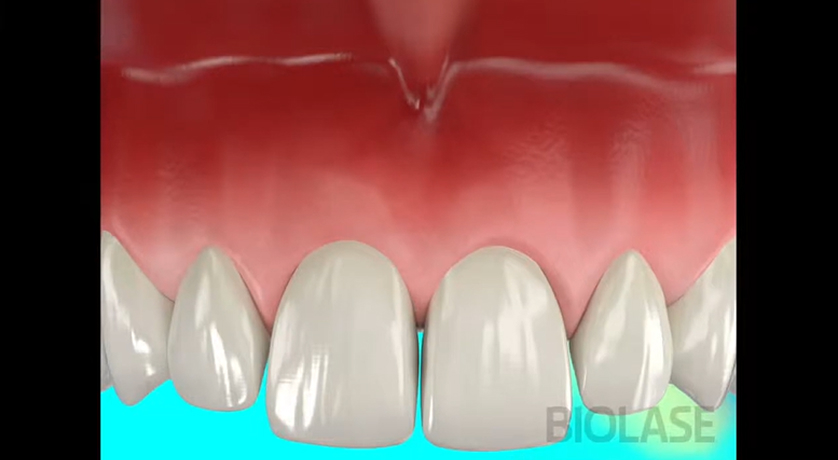
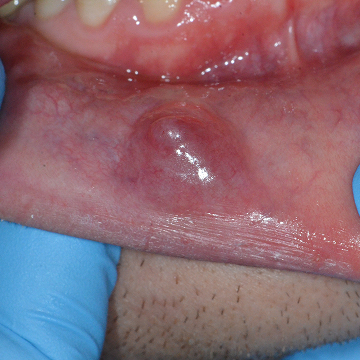
A frenum is a small strip of tissue that connects the tongue to the bottom of the mouth or the lip to the gums. When this tissue is unusually tight or thick, it can restrict normal movement. Diagnosis is made through a focused exam and movement assessment.
Patients exploring tongue tie treatment in Los Angeles are often concerned about speech clarity, feeding difficulty, or tension between the lower front teeth. Range of motion and tissue tension are measured during examination before treatment is considered.
Who May Need This Procedure?
Mild restrictions that do not affect function may only require monitoring. Treatment may be appropriate when the restriction causes:
Speech articulation challenges
Feeding or swallowing difficulty
Gum recession between front teeth
Spacing is influenced by tissue tension
Ongoing discomfort during movement
Parents considering frenectomy for children in Los Angeles, CA often do so after noticing difficulty with certain sounds or feeding patterns. Developmental factors are reviewed before planning care.
Adults may also benefit from evaluation. Individuals searching for a dentist sometimes report long-standing tightness that interferes with oral hygiene or comfort.
How the Procedure Is Performed
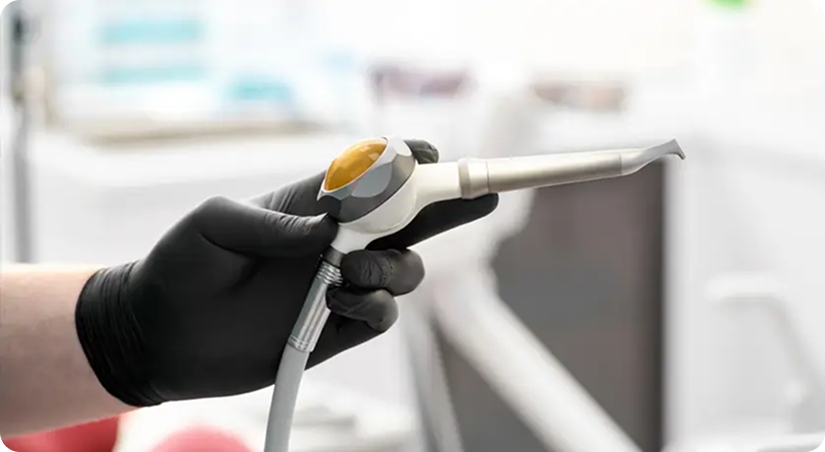
A frenectomy dentist in Los Angeles manages restrictive tissue with a minor in-office procedure. After local anesthesia stabilizes the area, the tight band of tissue is carefully released or removed to improve mobility while protecting surrounding structures.
Treatment planning is based on age, anatomy, and functional needs. The procedure is typically done in one visit. When appropriate, mobility exercises are recommended to support improved movement during healing.
At Smile Recreation, each patient is examined individually before recommending surgical correction to ensure treatment aligns with functional goals.
What Changes After Treatment?
When restriction is the source of the issue, releasing the frenum can:
Improve the tongue’s range of motion
Support clearer speech patterns
Reduce gum tension
Assist orthodontic alignment when indicated
Improve feeding coordination in younger patients
Follow-up visits with a dentist near me permit the dentist to monitor healing and confirm improved function.
Healing and Ongoing Care
Recovery is generally mild. Post-procedure guidance focuses on protecting the area and supporting tissue repair. Patients are usually advised to:
Maintain gentle oral hygiene
Avoid unnecessary strain on the site
Perform recommended mobility exercises if instructed
Mild soreness may occur for several days. Healing is monitored to ensure stability and proper tissue response.
Improvements in speech may differ from person to person. It may be beneficial to incorporate additional speech exercises if deemed appropriate by a professional.
Time to Address Restricted Movement
If limited tongue or lip movement is affecting speech, feeding, or comfort, schedule an evaluation. A careful examination allows the dentist to assess function and determine whether treatment is appropriate.